
Educational Videos
An excellent video presented by BH Photo – the speaker is Michael Brochstein. Many great tips and well worth viewing. Plenty of information for any photographer interested in photojournalism nd working as a photojournalist.
Introduction
Photojournalism is more than images—it’s storytelling with truth, context, and impact. As a working editorial photographer in Pennsylvania and the Mid‑Atlantic, I’ve built this page to share resources for editors, students, and fellow journalists. Here you’ll find links to professional organizations, educational materials, and my own portfolio work.
Resources for Photojournalists
-
-
- Today’s Front Pages – get inspired by seeing the images that are on the front pages of today’s newspapers.
- Reference Desk: Helpful links for journalists.
- National Press Photographers Association (NPPA): Click here.
- NPPA Code of Ethics: Read here.
- Press Freedom Resources: Committee to Protect Journalists.
- Training & Workshops: Poynter Institute.
📸 Websites Featuring Today’s Photos
- Getty Images – Latest News Photos
- USA Today – Latest Photos
- Earth.com – Image of the Day
- Reuters – News Pictures
- Associated Press – AP Images
- National Geographic – Photo of the Day
- NASA – Image of the Day
- The Atlantic – In Focus Photo Essays
- BBC News – In Pictures
- New York Times – Pictures of the Day
- The Guardian – In Pictures
- Al Jazeera – Photo Galleries
- CNN – Photo Galleries
- NPR – Pictures
- TIME – Photojournalism Features
- Los Angeles Times – Visuals
- Chicago Tribune – Photo Galleries
- Wall Street Journal – Photos
- Washington Post – Photography
- Boston.com – Photos
- San Francisco Chronicle – Photos
- Daily Mail – News Photos
- The Telegraph – Picture Galleries
- The Independent – In Pictures
- France24 – Photo Reports
- Deutsche Welle – Photos
- Der Spiegel – Fotostrecken
- Le Monde – Photos
- El País – Fotografía
- ANSA – Photo Galleries
- Japan Times – Photos
- South China Morning Post – Photos
- Hindustan Times – Photos
- The Hindu – Photos
- Sydney Morning Herald – Photos
- NZ Herald – Photos
- Toronto Star – Photos
- Globe and Mail – Photos
- OZY – Photo of the Day
- Pexels – Daily Photos
- Unsplash – Free Daily Photos
- Flickr – Explore Daily
- 500px – Popular Daily Photos
- Blipfoto – Daily Photo Journal
- Digital Photography School – Daily Photo Blogs
- Photography Blog – Daily Inspiration
- LensCulture – Photo Stories
- Magnum Photos – Daily Features
- World Press Photo – Contest Collection
-
(All links open in a new tab/window.)
Educational Videos
An excellent video presented by BH Photo – the speaker is Michael Brochstein. Many great tips and well worth viewing. Plenty of information for any photographer interested in photojournalism nd working as a photojournalist. Michael’s website is here.
If you are thinking about sports photography, check out Jean Fruth’s video about her gear.
Ethics of Photojournalism presented by Emily You.
Sean Rayford has created and posted multiple YouTube videos about photojournalism and the work of a photojournalist. Here is a link to one to get you started (and I recommend you watch others posted by Sean). His video is not authorized to run from other sites, so use the link to go to YouTube. Sean’s website is here.
Buying Used vs. New Camera Gear
Every photojournalist eventually faces the question: Should you invest in brand-new equipment or save money by purchasing used gear? Both options have clear advantages and trade-offs.
✅ Advantages of Buying New Gear
-
Latest technology: New cameras often include cutting-edge features like faster autofocus, improved low-light performance, and advanced video capabilities.
-
Warranty and support: Manufacturer warranties protect against defects and give you access to official service networks.
-
Guaranteed condition: New gear arrives pristine, with no wear, scratches, or hidden damage.
-
Resale value: New models typically hold value longer, especially if they remain in demand.
⚠️ Drawbacks of New Gear
-
Higher upfront cost: Professional bodies and lenses can be significantly more expensive when purchased new.
-
Availability issues: Popular models may be backordered or limited at launch.
✅ Advantages of Buying Used Gear
-
Lower cost: Used gear is often much more affordable, making higher-end equipment accessible.
-
Access to discontinued models: Older or vintage cameras and lenses may only be available secondhand.
-
Immediate availability: High-demand items sometimes surface faster in the used market than through official channels.
⚠️ Drawbacks of Used Gear
-
No manufacturer warranty: Unless purchased as “refurbished” from an authorized dealer, used gear rarely includes warranty coverage.
-
Unknown history: You can’t always know how carefully the previous owner treated the equipment, which may affect longevity.
-
Condition risks: Scratches, worn buttons, or hidden sensor issues can compromise performance.
-
Resale uncertainty: Used gear generally has a lower resale value than new gear.
🔄 Buying Older Versions of a Camera Line
Another smart strategy is to buy older versions of a current camera line:
-
Proven reliability: Models that have been on the market for a few years often have well-documented performance and fewer surprises.
-
Lower cost with similar features: The previous generation may lack only incremental updates but still deliver professional results.
-
Lens compatibility: Staying within the same line ensures your lenses and accessories remain fully usable.
-
Budget-friendly backups: Older bodies make excellent secondary cameras when paired with your main system.
📷 DSLR vs. Mirrorless Considerations
When weighing new vs. used, you’ll also want to consider DSLR vs. Mirrorless systems:
-
DSLR Advantages:
-
Optical viewfinder for real-time clarity.
-
Longer battery life.
-
Often, it is more rugged and widely available in the used market.
-
-
DSLR Drawbacks:
-
Heavier and bulkier.
-
Slower autofocus compared to modern mirrorless systems.
-
Fewer new models are being released as manufacturers shift focus.
-
-
Mirrorless Advantages:
-
Cutting-edge autofocus and eye-tracking technology.
-
Smaller, lighter bodies are ideal for travel and fieldwork.
-
The electronic viewfinder shows exposure and color in real time.
-
Rapid innovation with new models released frequently.
-
-
Mirrorless Drawbacks:
-
Shorter battery life compared to DSLRs.
-
Higher cost for newer models.
-
Some systems still building out lens lineups, though Canon, Nikon, and Sony now have robust options.
-
📸 Practical Advice for Photojournalists
-
Buy new if you rely on your gear daily for assignments where downtime could cost you income or credibility.
-
Buy used or older models if you’re building your kit on a budget, need backup equipment, or want access to proven, reliable bodies.
-
DSLRs remain a solid choice in the used market for durability and affordability.
-
Mirrorless systems are the future, offering speed, innovation, and lighter weight—but at a higher upfront cost.
Bottom line: New gear offers security and the latest features, while used or older models stretch your budget and expand your options. For working photojournalists, a mix of both—new for critical tools, older or used for backups—often strikes the best balance.
Picking a Major Camera Manufacturer and Sticking With It
One of the most important long-term decisions for a photojournalist is choosing a camera system—and committing to it. While camera bodies evolve quickly, the real investment lies in the ecosystem of lenses, accessories, and professional support that surrounds them.
✅ Why Commitment Matters
-
Professional lenses are a major investment: High-quality lenses often cost more than camera bodies and can last decades. Because lenses are brand-specific, most professionals avoid mixing manufacturers. Building your kit around one brand ensures every purchase strengthens your system.
-
Workflow consistency: Menus, ergonomics, and color science vary between manufacturers. Sticking with one system reduces the learning curve and speeds up fieldwork.
-
Accessory compatibility: Flashes, batteries, and even software integrations are often brand-specific. A unified system avoids duplication and wasted expense.
-
Professional credibility: Editors and clients recognize major brands like Canon, Nikon, and Sony. Using a consistent system signals reliability and professionalism.
⚖️ Factors to Consider When Choosing
-
Canon: Known for robust lens selection, strong color science, and the Canon Professional Services (CPS) program, which offers expedited repairs and loaner gear.
-
Nikon: Offers rugged build quality, excellent optics, and Nikon Professional Services (NPS) for working photographers who need fast turnaround and support.
-
Sony: A leader in mirrorless innovation, with cutting-edge autofocus and video capabilities. Sony also provides a professional support program (Sony Imaging PRO Support) for qualified photographers.
📸 Why Two of the Same Camera Bodies Make Sense
Professional photojournalists often carry two identical camera bodies for several reasons:
-
Backup reliability: If one body fails during an assignment, the second ensures you can keep shooting without interruption.
-
Lens flexibility: Carrying two bodies with different lenses (e.g., a wide-angle and a telephoto) allows you to switch instantly without wasting time changing lenses in the field.
-
Consistent workflow: Identical bodies mean identical menus, ergonomics, and image output. This consistency reduces mistakes under pressure and simplifies post-processing.
-
Professional appearance: Editors and clients expect preparedness. Two matching bodies demonstrate reliability and readiness for demanding assignments.
Bottom line: Cameras come and go, but lenses, accessories, and system knowledge are long-term assets. Choosing Canon, Nikon, or Sony—and sticking with that ecosystem—is one of the smartest strategic moves a photojournalist can make. Build your kit around one brand, invest in professional lenses, and carry two identical bodies to ensure you’re prepared for any assignment.
Buying Gray Market Camera Gear: What You Need to Know
When searching for new cameras or lenses, you may come across deals that seem too good to be true. Often, these are gray market products—authentic gear imported outside of official distribution channels. For example, instead of a Nikon camera coming through Nikon USA, a retailer might import it directly from Nikon Thailand.
✅ Why Photographers Consider Gray Market Gear
-
Lower prices: Savings can be substantial, sometimes hundreds of dollars, compared to authorized dealers.
-
Same hardware: The gear is usually genuine, with identical specifications and performance to officially distributed versions.
-
Accessibility: Smaller retailers and online marketplaces (like eBay) often stock these items, making them easy to find.
⚠️ Risks and Downsides
-
No manufacturer warranty: Brands like Canon, Nikon, and Sony typically refuse warranty service on gray market gear. Repairs must be paid out-of-pocket.
-
Limited support: Authorized service centers may decline repairs, or parts may not be available in your region.
-
Refurbished or repackaged items: Some sellers market refurbished gear as new, which can lead to reliability issues.
-
Resale value: Gray market gear often has lower resale appeal, since buyers know it lacks warranty coverage.
-
Potential hidden costs: Import duties, tariffs, or shipping complications can erode the initial savings.
🔍 How to Spot Gray Market Gear
-
Prices significantly below major retailers like B&H Photo or Adorama.
-
Sellers that don’t clearly state warranty terms.
-
Packaging or manuals in a foreign language.
-
Retailers with mixed or poor reputations for after-sales service.
📸 Practical Advice for Photojournalists
If you’re working professionally, the risk of downtime from unsupported gear may outweigh the savings. Editorial assignments often demand reliability, and a broken camera without warranty coverage can jeopardize your work. For hobbyists or those with backup equipment, gray market purchases may be acceptable—but only if you buy from a reputable seller and understand the limitations.
Bottom line: Gray market gear can stretch your budget, but it’s a calculated gamble. For photojournalists who rely on their equipment daily, the safer choice is often to buy through authorized channels, even at a higher upfront cost.
Further Reading
-
Pros & Cons of Buying Gray Market Camera Gear – Have Camera Will Travel
-
Should You Buy Grey Market Cameras/Gear? – Expert Photography
-
What is Gray Market Camera Gear? – Photography Life
Canon | Nikon | Sony
Vendors: Adorama | Amazon | BH Photo
Used Equipment Sellers
Adorama | BH Photo | KEH | MJB
Professional Pro Support Programs
Books:
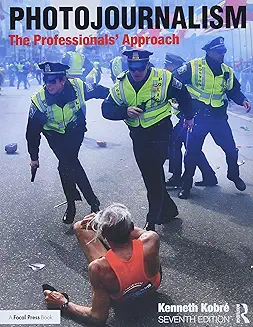
Photojournalism: The Professionals’ Approach by Kenneth Kobre
Disclosure: As an Amazon Associate, I earn from qualifying purchases. This means if you click on links to products and make a purchase, I may receive a small commission at no extra cost to you.